Children naturally enjoy exploring the world around them. A school garden can turn that curiosity into meaningful learning by allowing students to observe plants, understand natural processes, and participate in simple gardening activities. Instead of learning only through textbooks, children can experience concepts directly and connect lessons with the world around them. For parents exploring...
BlogHow School Gardens Can Turn Nature into a Learning Experience
September 20, 2026by charter
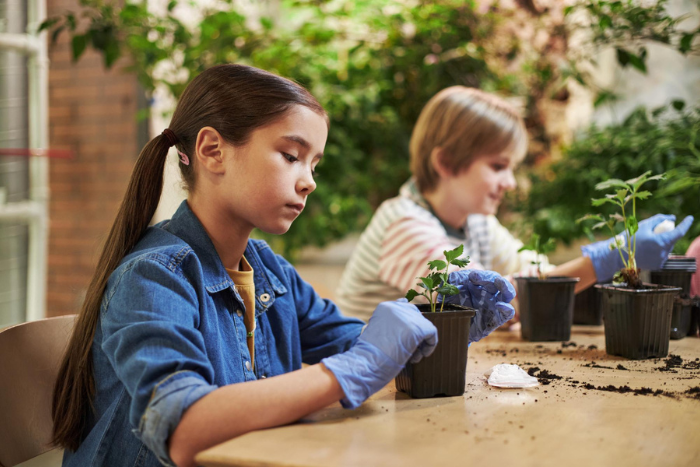
Children naturally enjoy exploring the world around them. A school garden can turn that curiosity into meaningful learning by allowing students to observe plants, understand natural processes, and participate in simple gardening activities. Instead of learning only through textbooks, children can experience concepts directly and connect lessons with the world around them.
For parents exploring CBSE schools in Kochi, opportunities for nature-based learning can be an important part of a child’s overall educational experience.
Learning Science Through Observation
A garden provides a simple environment for students to observe how plants grow and change. They can watch seeds germinate, roots develop, leaves appear, and flowers bloom. These experiences can make scientific concepts easier to understand because students can connect classroom lessons with real observations.
| Garden Observation | Learning Opportunity |
| Seed germination | Understanding plant growth |
| Roots and leaves | Learning plant structure |
| Flowers and fruits | Exploring plant life cycles |
| Insects around plants | Understanding ecosystems |
| Changes in plant growth | Observing environmental factors |
For schools in Kochi, a garden can become an outdoor extension of the classroom.
Developing a Sense of Responsibility
Taking care of plants requires regular attention. Students can help water plants, remove weeds, prepare soil, or monitor growth. These simple tasks teach children that living things need consistent care.
They also learn that their actions can affect the environment around them. Working together on gardening tasks encourages cooperation while developing a sense of responsibility.
For the best school in Kochi, activities such as these can complement academic learning with practical experiences.
Connecting Lessons with Everyday Life
A school garden can show students how classroom concepts relate to everyday experiences. Growing vegetables, herbs, or flowering plants can introduce children to topics such as food production, nutrition, seasons, soil, and sustainability.
For example, students can explore where vegetables come from and understand the time and care required before food reaches the kitchen table. Such experiences can make learning more meaningful and encourage children to ask questions.
Encouraging Environmental Awareness
Gardening can introduce children to environmental concepts in a simple and practical way. Students can learn about composting, water conservation, biodiversity, and responsible use of natural resources.
| Garden Activity | What Students Learn |
| Composting leaves | Reducing organic waste |
| Saving water | Water conservation |
| Planting different species | Supporting biodiversity |
| Reusing materials | Responsible resource use |
| Caring for plants | Respect for living things |
For CBSE schools in Kerala, these activities can help children develop environmental awareness through direct experience.
Supporting Mathematics and Data Skills
A garden can also provide opportunities to practise mathematics. Students can count plants, measure their growth, compare sizes, record observations, and create simple charts.
For example, children can measure a plant every week and record its height. They can then compare the measurements and discuss how the plant has changed.
This approach allows CBSE schools in Ernakulam to connect mathematical concepts with practical situations and make learning more engaging.
Encouraging Curiosity and Creativity
Nature provides endless opportunities for questions and creative exploration. Students may wonder why some flowers attract insects, why leaves have different shapes, or why certain plants grow better in particular conditions.
Teachers can use these questions as starting points for discussions, drawings, writing activities, and simple investigations. This encourages students to observe carefully and develop their own ideas.
For best CBSE schools in Kochi, providing opportunities for this kind of exploration can support curiosity beyond conventional classroom activities.
Learning Through Teamwork
School gardening is often a shared activity. Students may work in groups to plant seeds, care for different sections, or document changes in the garden.
Working together encourages communication, cooperation, and respect for the contributions of others.
A shared garden can also help students understand that maintaining a healthy environment requires collective effort. These experiences can complement the broader learning approach followed by best CBSE schools in Kerala.
Building a Connection with Nature
Spending time around plants, insects, soil, and changing weather can help children develop a stronger connection with nature. Instead of seeing these things only in pictures or videos, students can observe them directly.
This hands-on experience can encourage children to become more curious about their surroundings and more conscious of how their everyday actions affect the environment.
Conclusion
A school garden can transform an outdoor space into a valuable learning environment. From science and mathematics to environmental awareness, responsibility, creativity, and teamwork, gardening gives children opportunities to connect classroom concepts with real experiences.
For parents considering CBSE schools in Kochi, a school that provides meaningful opportunities to learn from nature can offer children an educational experience that extends beyond textbooks and classrooms.
When children plant a seed and watch it grow, they do more than learn about plants. They experience the importance of patience, observation, care, responsibility, and curiosity firsthand.