Multilingual learning has gained significant importance in early education as parents and educators recognise the lasting impact of language development on a child’s overall growth. Young children naturally absorb languages with ease, and introducing multiple languages during the early years can shape stronger cognitive abilities, better communication skills, and a deeper cultural understanding. As children...
BlogImportance of Multilingual Learning in a Child’s Early Education
November 28, 2025by charter
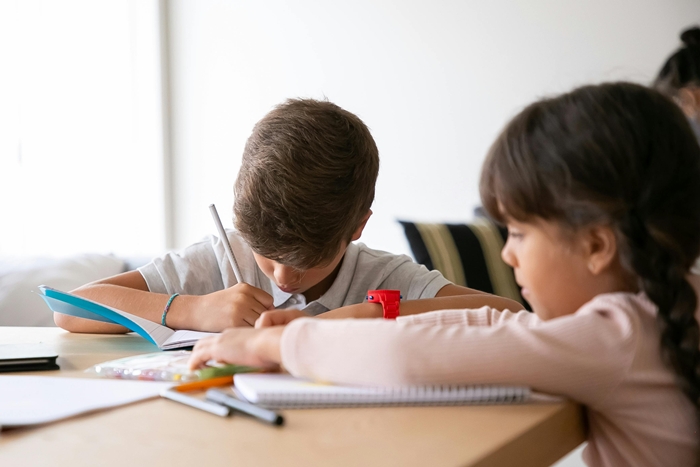
Multilingual learning has gained significant importance in early education as parents and educators recognise the lasting impact of language development on a child’s overall growth. Young children naturally absorb languages with ease, and introducing multiple languages during the early years can shape stronger cognitive abilities, better communication skills, and a deeper cultural understanding. As children listen, speak, and interact in more than one language, their world expands, and so does their learning potential.
Why Early Childhood Is the Best Time for Multilingual Learning
Early childhood is considered the most effective period for learning languages because the brain is highly flexible and receptive. Children can grasp new sounds, sentence structures, and vocabulary more quickly than adults. Their natural curiosity and imitation abilities make language learning effortless and enjoyable.
During this stage, exposure to different languages strengthens neural connections, which supports other developmental areas such as memory, problem-solving, and social interaction. When children learn multiple languages early, they build a strong foundation that benefits them throughout their academic journey.
Boosting Cognitive Development
Multilingual learning plays a major role in enhancing cognitive skills. Children who grow up learning more than one language often show better concentration, mental flexibility, and decision-making abilities. Switching between languages trains the brain to handle multiple tasks efficiently.
This cognitive advantage also translates to improved performance in subjects like mathematics, science, and reading. As children learn to recognise patterns across different languages, their analytical thinking becomes sharper, helping them understand complex concepts with ease.
Strengthening Communication Skills
Learning multiple languages helps children express themselves more clearly and confidently. They become more aware of how language works, which allows them to choose words thoughtfully and communicate more effectively.
This skill becomes especially valuable in multicultural environments where children interact with peers from diverse linguistic backgrounds. Being able to understand and use different languages encourages inclusivity, empathy, and better social connections.
Building Cultural Awareness and Sensitivity
Languages are closely connected to culture, values, and traditions. When children learn a new language, they also gain insight into the customs and lifestyles of its speakers. This exposure helps them develop open-mindedness and respect for different cultures.
Cultural awareness shapes a child’s personality, making them more adaptable and understanding in various social settings. It prepares them to thrive in an increasingly global and interconnected world.
Supporting Emotional Development
Multilingual learning can also strengthen emotional bonds between children and their families. For many families, heritage languages hold sentimental value. When children learn the language spoken by their parents or grandparents, it fosters a deeper sense of belonging and identity.
This emotional connection boosts self-esteem and helps children feel more secure in their environment. It also encourages richer communication within the family, allowing children to express their feelings comfortably.
Long-Term Academic and Career Benefits
Children who grow up multilingual often enjoy long-term academic advantages. They tend to perform better in language-based subjects, show stronger reading skills, and adapt easily to advanced learning environments.
As they grow older, multilingual skills open doors to diverse career opportunities. Many professions value employees who can communicate across cultures, and early language learning gives children a significant head start.
A Natural Advantage: Learning Without Pressure
One of the biggest advantages of introducing multilingual learning early is that children learn languages naturally, without the pressure of memorisation or exams. They absorb language through stories, songs, conversations, and play. This natural approach keeps learning enjoyable and stress-free.
Conclusion
Multilingual learning in early childhood enriches a child’s cognitive, social, emotional, and academic development. It helps children communicate better, think more creatively, and appreciate cultural diversity. By introducing children to multiple languages early on, parents and educators provide them with lifelong skills that shape confidence, understanding, and global readiness. The benefits extend far beyond the classroom, making multilingual learning an essential part of a child’s early education.