History is often introduced to children through important dates, famous personalities and major events. While these are valuable parts of learning, history can become much more meaningful when children also understand the story of the places around them. Learning about local history helps students connect classroom knowledge with their own surroundings. It can encourage curiosity,...
BlogWhy Learning About Local History Can Make Education More Meaningful
October 22, 2026by charter
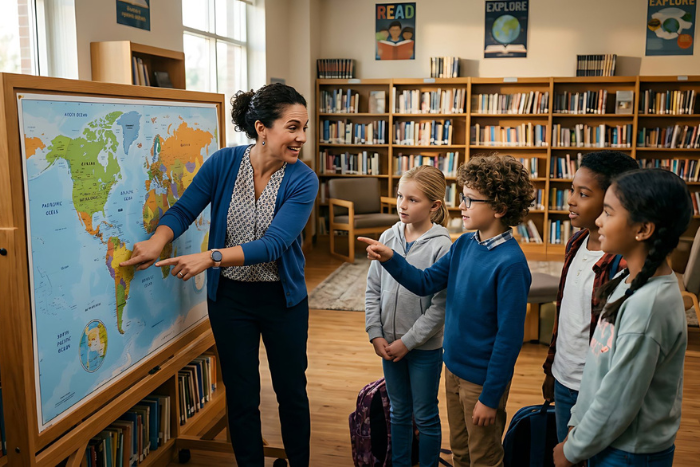
History is often introduced to children through important dates, famous personalities and major events. While these are valuable parts of learning, history can become much more meaningful when children also understand the story of the places around them.
Learning about local history helps students connect classroom knowledge with their own surroundings. It can encourage curiosity, strengthen their sense of belonging and show them how communities have changed over time.
Connecting Lessons to the World Around Them
Children are more likely to become interested in history when they can relate it to places they know. A historic building, an old marketplace, a traditional art form or a familiar landmark can become an opportunity to explore the past.
| Local History Experience | What Children Can Learn |
| Visiting historical places | Observation and awareness |
| Learning about local traditions | Cultural understanding |
| Exploring old photographs | Comparing past and present |
| Listening to community stories | Different perspectives |
| Studying local landmarks | Connection with place |
These experiences can make historical concepts easier to understand because students can see how the past connects with their everyday environment.
Understanding How Communities Change
Local history shows children that communities are constantly evolving. Roads, buildings, occupations, markets and neighbourhoods may look very different today compared with previous generations.
Students can compare old photographs with present-day views, research how a neighbourhood developed or learn how transportation and communication changed over time.
This approach helps children understand that history is not simply something that happened long ago. It is a continuing story that has shaped the world they live in today.
For families exploring cbse schools in kerala, opportunities to connect classroom learning with local culture and surroundings can be an important part of a well-rounded educational experience.
Learning Through Stories and Personal Experiences
History becomes more engaging when children hear stories connected to real people and places. Teachers can encourage students to speak with grandparents or older relatives about how life was different when they were young.
Questions about school, food, festivals, transportation, work and entertainment can lead to interesting conversations between generations.
| Activity | Skill Encouraged |
| Interviewing an older family member | Communication |
| Recording family stories | Listening |
| Comparing past and present | Critical thinking |
| Creating a local history project | Research |
| Presenting findings | Confidence |
These activities allow students to become active participants in learning rather than simply reading information from a textbook.
Developing Appreciation for Culture
Local history is closely connected with culture. Children can learn about traditional celebrations, crafts, architecture, food, music and customs that have developed within their communities.
Such knowledge can help students understand why cultural practices are important and why they may change over time. It can also encourage respect for traditions that may be different from their own.
A strong educational environment, including what parents look for in schools in kochi, can provide opportunities for students to explore both their local surroundings and the wider world.
Encouraging Research and Curiosity
Local history provides many simple opportunities for research. Students can investigate the history of a landmark, create a timeline of their neighbourhood or collect photographs and stories related to a particular place.
These projects can introduce children to basic research skills such as asking questions, identifying reliable information, organising findings and presenting what they have learned.
For students attending cbse schools in ernakulam, local surroundings can provide practical examples that complement classroom lessons and encourage independent exploration.
Making History Relevant to Children
When children understand the history of their own communities, they may begin to see a stronger connection between the past and present. They can recognise that today’s schools, roads, neighbourhoods and cultural practices have developed through many years of change.
Parents looking at the best cbse schools in kerala can consider whether the school provides opportunities for students to connect academic subjects with real-world experiences.
Conclusion
Learning local history can make education more personal and meaningful. It allows children to explore familiar places from a new perspective while developing curiosity, research skills and cultural awareness.
Whether through a school project, a local visit, an interview with an older family member or classroom discussion, local history gives students an opportunity to understand that the past is not distant. It is part of the communities they live in and the world they are helping to shape.