Music can become a meaningful part of a child’s education when it is introduced through enjoyable, varied and age-appropriate experiences. Beyond learning to sing or play an instrument, music gives children opportunities to listen carefully, express emotions, work with others and discover their own interests. Schools play an important role in creating these experiences. Through...
BlogHow Children Develop Appreciation for Music Through School Experiences
October 21, 2026by charter
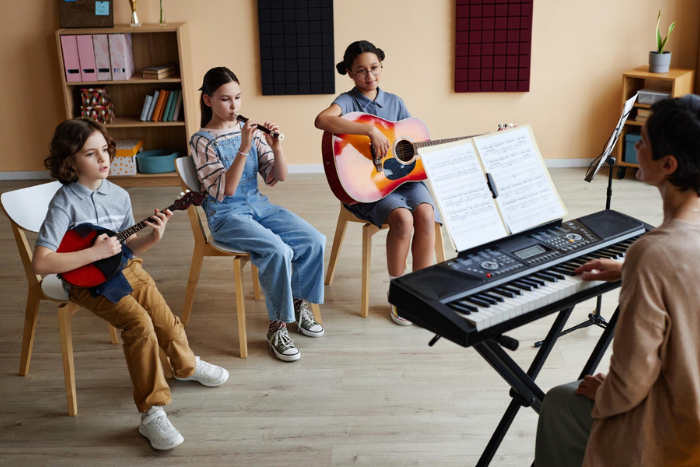
Music can become a meaningful part of a child’s education when it is introduced through enjoyable, varied and age-appropriate experiences. Beyond learning to sing or play an instrument, music gives children opportunities to listen carefully, express emotions, work with others and discover their own interests.
Schools play an important role in creating these experiences. Through classroom activities, performances, celebrations and exposure to different forms of music, children can gradually develop an appreciation that stays with them beyond their school years.
Making Music a Natural Part of School Life
Children do not always need formal music lessons to develop an interest in music. Simple activities such as singing together, listening to different musical styles or learning about rhythm can make music a familiar part of everyday school life.
| School Experience | What Children Can Develop |
| Group singing | Confidence and teamwork |
| Rhythm activities | Listening and coordination |
| Music performances | Appreciation and expression |
| Instrument demonstrations | Curiosity and exploration |
| Exposure to different genres | Broader musical awareness |
A school environment that provides these opportunities can help children discover that music is not limited to a particular subject or activity.
Learning Through Listening
Listening is one of the simplest ways children can develop musical awareness. Teachers can introduce students to classical, folk, instrumental and contemporary forms of music while explaining the different sounds, instruments and cultural backgrounds associated with them.
Students can also be encouraged to share what they notice. Asking questions such as “What instruments can you hear?” or “How does this music make you feel?” allows children to engage with music thoughtfully.
For families exploring cbse schools in kochi, opportunities for creative and cultural exposure can be an important part of understanding a school’s broader educational environment.
Discovering Music Through Different Cultures
Music reflects the history and traditions of communities around the world. School celebrations and cultural programmes can introduce children to songs, instruments and musical traditions from different regions.
This exposure helps students understand that there is no single way to create or enjoy music. They can learn to appreciate differences while developing curiosity about other cultures.
For children studying in best cbse schools in kerala, such experiences can complement academic learning by connecting education with the cultural diversity around them.
Building Confidence Through Performance
Performing in front of others can be a valuable experience for children. Whether they sing in a group, play an instrument or participate in a school programme, students learn to prepare, practise and present themselves.
| Performance Experience | Possible Learning Outcome |
| Choir or group singing | Cooperation |
| Instrumental performance | Patience and practice |
| School celebrations | Confidence |
| Music competitions | Discipline and preparation |
Performance does not have to be about winning. The experience of participating can help children become more comfortable expressing themselves.
Encouraging Children to Explore Their Interests
Every child responds to music differently. Some may enjoy singing, while others may prefer instruments, rhythm or simply listening. Schools can provide opportunities for students to explore these interests without making musical ability the only measure of success.
Exposure to music can be particularly valuable in schools in Kochi, where children may come from diverse backgrounds and have different cultural and artistic interests.
Creating a Balanced Educational Experience
Music can complement academic learning by giving children a different way to think, communicate and express themselves. It can also provide opportunities for collaboration, creativity and self-expression.
Parents considering the best cbse schools in kerala can therefore look beyond academic results and consider how a school supports creative development. A well-rounded education gives children space to explore interests alongside their regular studies.
Conclusion
Appreciation for music often develops gradually through repeated exposure and positive experiences. When children have opportunities to listen, participate, perform and explore different musical traditions, they can begin to understand music as a meaningful form of expression.
A school that includes music as part of its wider learning environment can help children develop not only musical awareness but also confidence, collaboration and creativity. These experiences can make school life richer while encouraging children to discover interests that may remain important throughout their lives.